
Best AI Video Editing Apps for Short Videos and Reels
AI APP REVIEW
6/9/20264 min read
The Popularity of AI Video Editing Apps
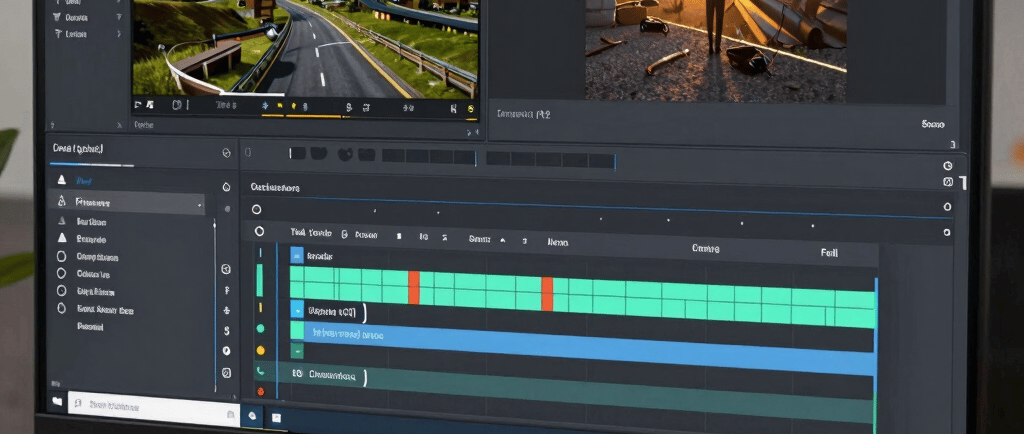
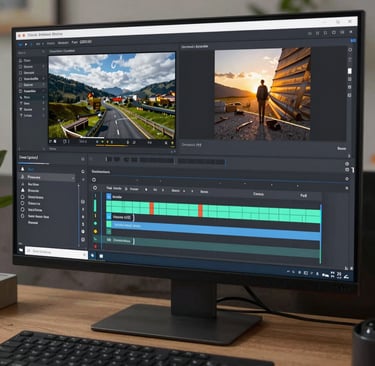
The trend of utilizing AI video editing apps is gaining momentum rapidly within the digital content creation realm. These innovative tools are designed with intuitive interfaces, appealing not only to amateur content creators but also to seasoned professionals. The primary allure of AI video editing tools lies in their accessibility, meaning that users do not need extensive technical knowledge to create high-quality videos.
One significant factor contributing to the popularity of these apps is their user-friendliness. With simple drag-and-drop functionalities, users can easily import their footage and utilize automated editing features that apply sophisticated algorithms to refine videos. These applications analyze the content, suggesting edits, transitions, and overlays, enabling creators to produce polished results without investing extensive hours in manual editing.
Moreover, the rise of social media platforms has amplified the demand for engaging short video formats, such as reels and stories. As users increasingly seek visually stimulating content that captures attention quickly, AI video editing apps have stepped in to meet this evolving demand. By streamlining complex editing tasks that traditionally required specialized skills and software, these applications have democratized video production. Content creators, regardless of their experience levels, can efficiently create engaging short videos that resonate with their audiences.
In essence, the increasing reliance on AI video editing apps signifies a shift in the digital content landscape. These tools not only simplify the editing process but also empower creators to focus on storytelling and creativity. With the ongoing advancements in AI technology, it is anticipated that these applications will continue to shape the future of video editing, leading to even more sophisticated and user-oriented solutions.
My Testing Process for Short Video Content
To systematically evaluate a selection of AI video editing apps optimized for crafting short videos and reels, I adopted a structured testing process. This approach included determining relevant criteria tailored to the unique demands of short-form content. I selected a diverse array of video editing applications that boasted features designed to enhance creativity and efficiency, ensuring a thorough representation of the available tools in the marketplace.
Key evaluation criteria included user experience, ease of navigation, feature efficacy, export quality, and integration capabilities with social media platforms. User experience was particularly crucial; I considered how intuitive each interface was for both novice and experienced editors. Ease of navigation played a pivotal role in the overall efficacy of editing workflows, especially given the time-sensitive nature of short video production.
During the testing phase, I created a variety of short videos, including promotional clips, social media snippets, and humorous skits. Each video's length ranged from 15 to 60 seconds, mirroring the typical duration constraints seen in platforms like TikTok and Instagram Reels. This diverse content range allowed me to assess the strengths and weaknesses of each app across different editing demands. The types of edits involved included adding text overlays, special effects, transitions, and sound synchronization, all of which are essential elements in producing engaging short video content.
As I progressed through the evaluation, I documented the initial setup requirements and any learning curves associated with each application. This hands-on experience provided valuable insights not only into the functionality of these AI tools but also into how the learning process could impact the efficiency of short video creation. My comprehensive testing approach aimed to deliver an accurate reflection of how each app operates in the context of modern content creation.
Key Features That Enhance Video Editing
In the realm of video editing, particularly for short videos and reels, certain features can significantly streamline the creative process and enhance viewer engagement. Among these, automatic captions, pre-made templates, and smart cuts stand out as essential tools that not only improve video quality but also increase efficiency in editing.
Automatic captioning is a crucial feature that supports accessibility and engagement. By automatically generating subtitles, video editing apps cater to a broader audience, including those who are hearing impaired or prefer to watch videos with sound off. For instance, I used an app that offered sophisticated speech recognition, producing accurate captions in real time. This feature not only made my videos more accessible but also kept viewers' attention longer, as many tend to engage more with captions.
Another valuable feature is the availability of pre-made templates. These templates simplify the editing process while ensuring a professional look. With an array of designs tailored for various themes, using templates allows content creators to quickly produce high-quality videos without needing extensive design skills. For my latest video, leveraging a pre-made template saved me substantial time and effort, enabling a more focused approach to content creation instead of spending hours on layout adjustments.
Finally, the effectiveness of smart cuts cannot be underestimated. This feature analyzes the footage to identify the smoothest transitions and the most impactful moments, which helps maintain a dynamic flow throughout the video. In practice, I noticed that utilizing smart cuts in my clips drastically improved the overall pacing, making the viewing experience more enjoyable and keeping the audience engaged. These functions collectively enhance the user experience, catering to both novice and experienced editors, ultimately resulting in more polished and appealing video content.
Limitations and Time-Saving Insights
While AI video editing apps have revolutionized the way short videos and reels are created, they are not without limitations. One significant challenge is the precision of editing. AI algorithms can effectively automate many processes, such as cutting and color correction, but they may not always capture the exact nuances that a human editor would consider. For example, the app’s automatic choices may conflict with the creator’s vision, leading to an edited piece that doesn’t entirely match the intended style or message.
Customization options also tend to be less comprehensive in AI video editing applications compared to traditional editing software. Many users find themselves limited in the types of transitions, effects, and overlays available. This lack of versatility can be a drawback for those who require specific artistic elements to enhance their storytelling. Furthermore, software bugs are not uncommon, which can disrupt the editing process, leading to potential frustration and delays.
When it comes to the question of time-saving, AI video editing can indeed streamline certain tasks, but the extent to which it saves time varies among users. Novice editors may find that the automated features significantly reduce the learning curve associated with video production. However, experienced editors may find that the time saved in some areas is offset by the need for manual adjustments later on. This suggests that while these apps can offer convenience, traditional editing methods still hold value for more complex projects.
In terms of who benefits most from these innovations, beginners looking to enter the content creation sphere will likely appreciate the straightforward interface and automated capabilities. Influencers and marketers can also leverage AI video editing apps to produce quick, engaging content for their audiences. Ultimately, the effectiveness of these tools hinges on the user's specific needs and skills.
Contact
Questions? Reach out anytime.
Phone
hello@dailyaihacks.top
+44-07479725022
© 2026. All rights reserved.